AUTISM SPECTRUM DISORDERS (ASDs)
Autism is family of neurodevelopmental disabilities with different specific causes involving common symptoms to varying degrees: (1) lack of social awareness or social perceptiveness, (2) significant limitations in communication, and (3) non-functional repetitive actions or inflexible non-functional behavioral routines. If these routines are disrupted that frequently leads to emotional and behavioral outbursts. Symptom onset is before three years of age. Research evidence indicates that most cases are caused by some type of genetic error. Possible role of toxins interacting with genetic susceptibility in certain cases, such as prenatal drugs or alcohol or parental occupations involving exposure to neurotoxins (e.g. PCBs) have not been ruled out. Massive early social deprivation is also capable of producing autism symptoms, such as in some isolated nursery-reared children. Autism occurs concurrently with other developmental disorders, such as Fragile X syndrome, Prader Willi syndrome or Smith Lemi Opitz syndrome. Autism occurs three times as frequently among boys as girls.
Great gains have been made since autism was first described clinically in 1943. In 1973 about 1-2% of children with autism who received no specialized treatment developed behavior by adolescence or young adulthood similar to their typical peers or siblings. Recent studies indicate about half of children receiving Early Intensive Behavioral Intervention function similarly to their peers in most domains, though they continue to have some lingering symptoms. The other half improve as well but require continuing special educational support. This site provides up to date, accurate, trustworthy information about social, educational and behavioral issues among children and adults with autism. Every other week this site updates the latest research summarized for a broad audience. Parent Perspectives provides commentary by parents of children with autism from around the world. On alternate issues, a professional addresses an issue of emerging importance in a Professional Perspectives article. Most of our readers are parents or practitioners.Thank you for taking the time to visit. Your comments are welcomed.
Great gains have been made since autism was first described clinically in 1943. In 1973 about 1-2% of children with autism who received no specialized treatment developed behavior by adolescence or young adulthood similar to their typical peers or siblings. Recent studies indicate about half of children receiving Early Intensive Behavioral Intervention function similarly to their peers in most domains, though they continue to have some lingering symptoms. The other half improve as well but require continuing special educational support. This site provides up to date, accurate, trustworthy information about social, educational and behavioral issues among children and adults with autism. Every other week this site updates the latest research summarized for a broad audience. Parent Perspectives provides commentary by parents of children with autism from around the world. On alternate issues, a professional addresses an issue of emerging importance in a Professional Perspectives article. Most of our readers are parents or practitioners.Thank you for taking the time to visit. Your comments are welcomed.
Selling Garbage to Parents of Children with Autism
An Essay by Travis Thompson, PhD, LP

Parents should realise that almost never does a professional medical society withdraw a physicians license to practice medicine unless their misdeed are egregiously awful. Wakefield’s malfeasance as well as that of many others has caused irreparable harm to children with autism throughout the world, and seriously misled many parents of children with autism. Let me give you just one example.
I Googled "Autism Conference" and looked at the first eight that popped up in the search results. One was the IMFAR research conference, not intended for families and hands on practitioners. Two of the remaining seven were reasonably evidence based, The Commonwealth Autism Conference and the Wisconsin Autism Society Conference, both looked good, with a few exceptions.
But here is a list of some of the speakers and their topics or session subjects listed in the remaining five conference programs for parents and staff.
*Introduction to the Application of Hyperbaric Oxygen Therapy in the Autism Treatment
*Systemic Detoxification, Immune Modulation and Physiological Optimization leading to Sustainable Health.
*Medical Cannabis & Hemp to Enhance Immune Function
*Sound Therapy
*Functional Disconnection Syndrome
*SI/Oral Motor Therapy
*Biomedical Therapies
*Transcranial Stimulation
*Management of Right Hemisphere Delays
*Immune Treatments
*Lori Knowles, New Beginnings Nutritional
*Barry Kauffman, Son Rise
*William Shaw, Great Plains Lab, heavy metal testing
*The Zones of Regulation, Leah Kuypers, M.A., OTR/L.
*Use Yourself as a Sensory Regulation Tool! Exploring the Concepts of Co-Regulation, OT
*Alternative Treatments for Individuals with Autism
These conferences are all target at parents and hands on practitioners. None of these treatments are evidence based, some are harmful and all mislead parents to believe they don’t need to employ effective treatments to secure a future for their child with autism. They do, now. Effectiveness of various early behavioral interventions is greatest between 2 and 6 or 7 years of age and declines thereafter. Some higher functioning children continue to show language gains longer.
I Googled "Autism Conference" and looked at the first eight that popped up in the search results. One was the IMFAR research conference, not intended for families and hands on practitioners. Two of the remaining seven were reasonably evidence based, The Commonwealth Autism Conference and the Wisconsin Autism Society Conference, both looked good, with a few exceptions.
But here is a list of some of the speakers and their topics or session subjects listed in the remaining five conference programs for parents and staff.
*Introduction to the Application of Hyperbaric Oxygen Therapy in the Autism Treatment
*Systemic Detoxification, Immune Modulation and Physiological Optimization leading to Sustainable Health.
*Medical Cannabis & Hemp to Enhance Immune Function
*Sound Therapy
*Functional Disconnection Syndrome
*SI/Oral Motor Therapy
*Biomedical Therapies
*Transcranial Stimulation
*Management of Right Hemisphere Delays
*Immune Treatments
*Lori Knowles, New Beginnings Nutritional
*Barry Kauffman, Son Rise
*William Shaw, Great Plains Lab, heavy metal testing
*The Zones of Regulation, Leah Kuypers, M.A., OTR/L.
*Use Yourself as a Sensory Regulation Tool! Exploring the Concepts of Co-Regulation, OT
*Alternative Treatments for Individuals with Autism
These conferences are all target at parents and hands on practitioners. None of these treatments are evidence based, some are harmful and all mislead parents to believe they don’t need to employ effective treatments to secure a future for their child with autism. They do, now. Effectiveness of various early behavioral interventions is greatest between 2 and 6 or 7 years of age and declines thereafter. Some higher functioning children continue to show language gains longer.

New Light on Familiar Problems: Research Summaries
Travis Thompson, PhD, LP
Asynchrony in Integrating Auditory and Visual Information in Autism


Mark Wallace (left) and Steve Camarata (right) of Vanderbilt University
We all know kids with autism have some unusual stuff going on with sensory stimulation, exactly what hasn’t been clear. This study tried to eliminate some of the hocus pocus and figure out what was going on in their brains when both sounds and sights were supposed to be integrated…. But weren’t.
In the study, Vanderbilt researchers compared 32 typically developing children ages 6-18 years old with 32 high-functioning children with autism, matching the groups in virtually every possible way including IQ. Study participants worked through a battery of different tasks, largely all computer generated. Researchers used different types of audiovisual stimuli such as simple flashes and beeps, more complex environmental stimuli like a hammer hitting a nail, and speech stimuli, and asked the participants to tell them whether the visual and auditory events happened at the same time. The study found that children with autism have an enlargement in something known as the temporal binding window (TBW), meaning the brain has trouble associating visual and auditory events that happen within a certain period of time. "Children with autism have difficulty processing simultaneous input from audio and visual channels. That is, they have trouble integrating simultaneous information from their eyes and their ears," said co-author Stephen Camarata, Ph.D., professor of Hearing and Speech Sciences. "It is like they are watching a foreign movie that was badly dubbed, the auditory and visual signals do not match in their brains."R. A. Stevenson, J. K. Siemann, B. C. Schneider, H. E. Eberly, T. G. Woynaroski, S. M. Camarata, M. T. Wallace. Multisensory Temporal Integration in Autism Spectrum Disorders. Journal of Neuroscience, 2014; 34 (3): 691 DOI: 10.1523/JNEUROSCI.3615-13.2014
CLICK TO READ MORE NEW AUTISM RESEARCH FINDINGS!!!!
In the study, Vanderbilt researchers compared 32 typically developing children ages 6-18 years old with 32 high-functioning children with autism, matching the groups in virtually every possible way including IQ. Study participants worked through a battery of different tasks, largely all computer generated. Researchers used different types of audiovisual stimuli such as simple flashes and beeps, more complex environmental stimuli like a hammer hitting a nail, and speech stimuli, and asked the participants to tell them whether the visual and auditory events happened at the same time. The study found that children with autism have an enlargement in something known as the temporal binding window (TBW), meaning the brain has trouble associating visual and auditory events that happen within a certain period of time. "Children with autism have difficulty processing simultaneous input from audio and visual channels. That is, they have trouble integrating simultaneous information from their eyes and their ears," said co-author Stephen Camarata, Ph.D., professor of Hearing and Speech Sciences. "It is like they are watching a foreign movie that was badly dubbed, the auditory and visual signals do not match in their brains."R. A. Stevenson, J. K. Siemann, B. C. Schneider, H. E. Eberly, T. G. Woynaroski, S. M. Camarata, M. T. Wallace. Multisensory Temporal Integration in Autism Spectrum Disorders. Journal of Neuroscience, 2014; 34 (3): 691 DOI: 10.1523/JNEUROSCI.3615-13.2014
CLICK TO READ MORE NEW AUTISM RESEARCH FINDINGS!!!!
Error : You must not have any spaces in your Teleport Key
[TeleportMe]
Feb 25, 2005: Autism Speaks® was founded and merged with two of the largest autism associations in the United States, The National Alliance for Autism Research and Cure Autism Now. Autism Speaks is a highly effective advocacy organization that integrates parent concerns with best practices and evidence based scientific methods via a large outreach program. Autism Speaks also funds autism pilot research projects. http://www.autismspeaks.org
.png)
In an exhilarating partnership, we've joined forces with EnergyCasino, igniting new adventures in gaming excellence together.
The following links provide especially useful, trustworthy information….

National Institutes of Health Autism Information Resource
Autism Speaks


Assn for Science in Autism Treatment

WrightsLaw Special Education Resource
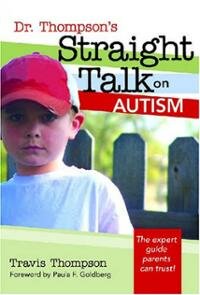 Travis Thompson’s “Straight Talk on Autism” has been widely acclaimed by readers as accessible and practical. Of his four books on autism it has received the most positive comments from parents and practitioners. It presents specific ways to help children overcome everyday challenges and develop critical skills they'll use their whole lives. Based on the latest research and the extensive clinical experience, these ready-to-use tips and strategies will help children with autism spectrum disorders meet their toughest challenges head-on, communicating more effectively; making improvements in behavior; increasing their tolerance for change; developing social skills; establishing secure, trusting relationships; recognizing and reacting to emotions; overcoming stimulus intolerance; engaging in recreation and leisure activities
The book can be ordered from Paul H. Brookes Publishers at this Link
February
15